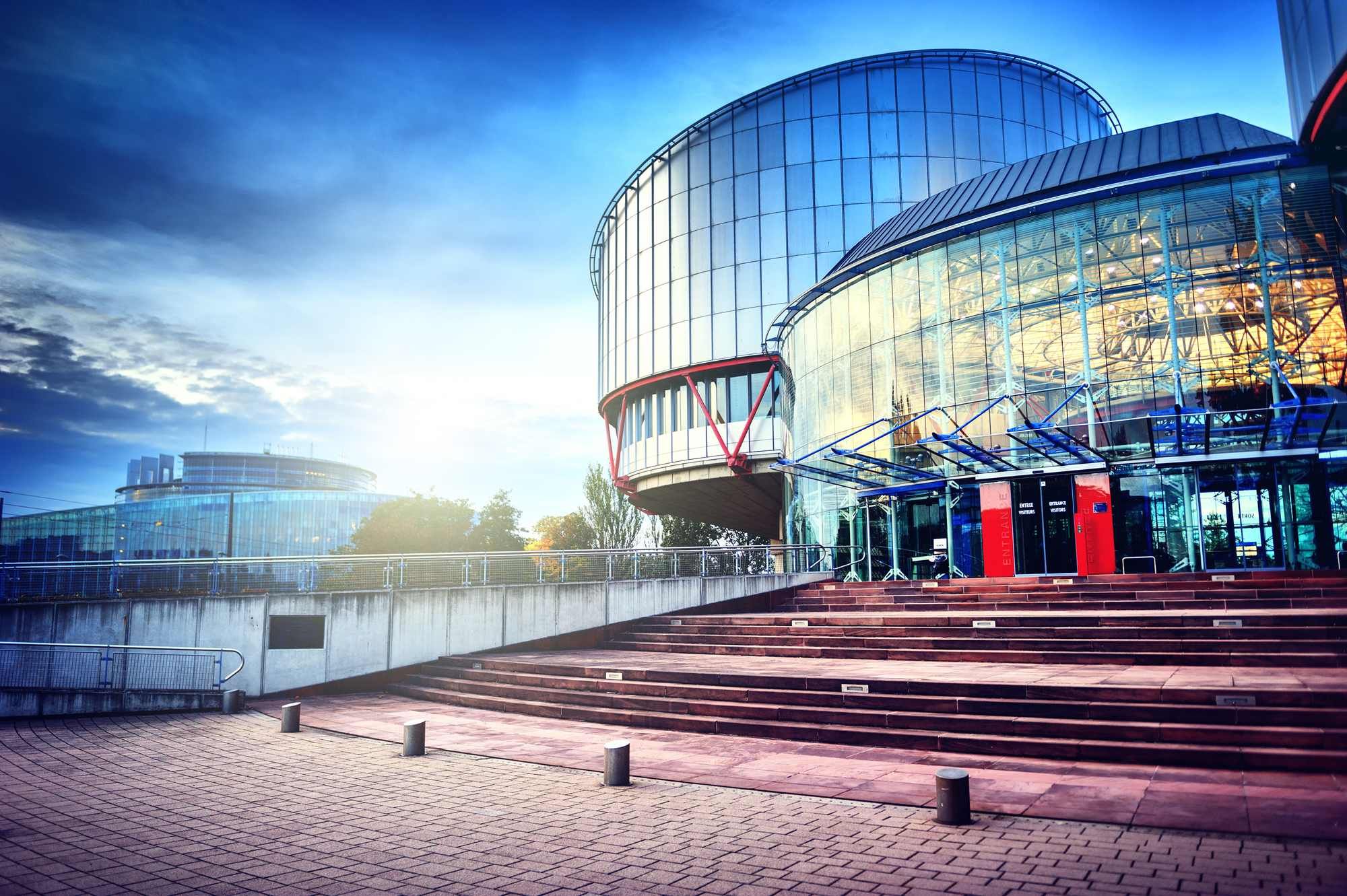
In a landmark ruling, the European Court of Human Rights found on Tuesday that UK surveillance efforts discovered and revealed by Edward Snowden violate rights to freedom of expression and privacy.
The ruling was issued after the UK government appealed an earlier decision on government surveillance regimes, including Tempora run by Britain’s electronic signals intelligence agency Government Communications Headquarters (GCHQ).
In 2013, former American National Security Agency contractor turned whistleblower Edward Snowden leaked information detailing the disturbing amount of information the UK and governments around the world were collecting about their citizens in the name of national security. The leak resulted in public outcry and judicial review of how a number of national surveillance agencies, including the GCHQ, obtained and managed data.
In 2018, the lower court held that, while bulk interception of information about British citizens is not illegal, the GCHQ and other UK intelligence agencies illegally obtained and filtered that information. Specifically, the court found that the law allowing intelligence agencies access to national surveillance data did so without adequate safeguards that would protect journalists and their sources.
In its decision, the European Court of Human Rights upheld the lower court’s ruling and also found that the law underpinning the Tempora surveillance program failed to provide “effective guarantees against arbitrariness and the risk of abuse.”
“The exponential increase of surveillance activity in the last decade and the public outcry that it has unleashed warrants stricter oversight of the intelligence agencies’ activities, for the sake of preserving democracy and defending the rule of law”, said the ruling by the European Court of Human Rights in its order issued Tuesday.
The European Court of Human Rights cited protection of the press in its decision, finding that the UK surveillance program failed to provide “end to end” protection of its data.
The Human Rights Court did find that the sharing of data between the UK and other governments was permissible under the law because citizens are properly informed of when and why their information may be shared.
A lawyer representing the privacy advocacy groups that initiated the legal action called the ruling “important reward for our clients after eight years of litigation following Edward Snowden’s disclosures”, and said that he is “pleased that the court has affirmed that secret surveillance programs are subject to the application of human rights law”, according to Law360.
What do you think about UK surveillance and human rights? Tell us in the comment section below.
The human rights and advocacy groups are represented by Dinah Rose QC of Blackstone Chambers, Helen Mountfield QC and Matthew Ryder QC of Matrix Chambers, and Dan Carey of Deighton Pierce Glynn.
The UK Human Rights Lawsuit is Big Brother Watch and Others v. the United Kingdom, Case No. 299 (2018), in the European Court of Human Rights.
ATTORNEY ADVERTISING
Top Class Actions is a Proud Member of the American Bar Association
LEGAL INFORMATION IS NOT LEGAL ADVICE
Top Class Actions Legal Statement
©2008 – 2026 Top Class Actions® LLC
Various Trademarks held by their respective owners
This website is not intended for viewing or usage by European Union citizens.